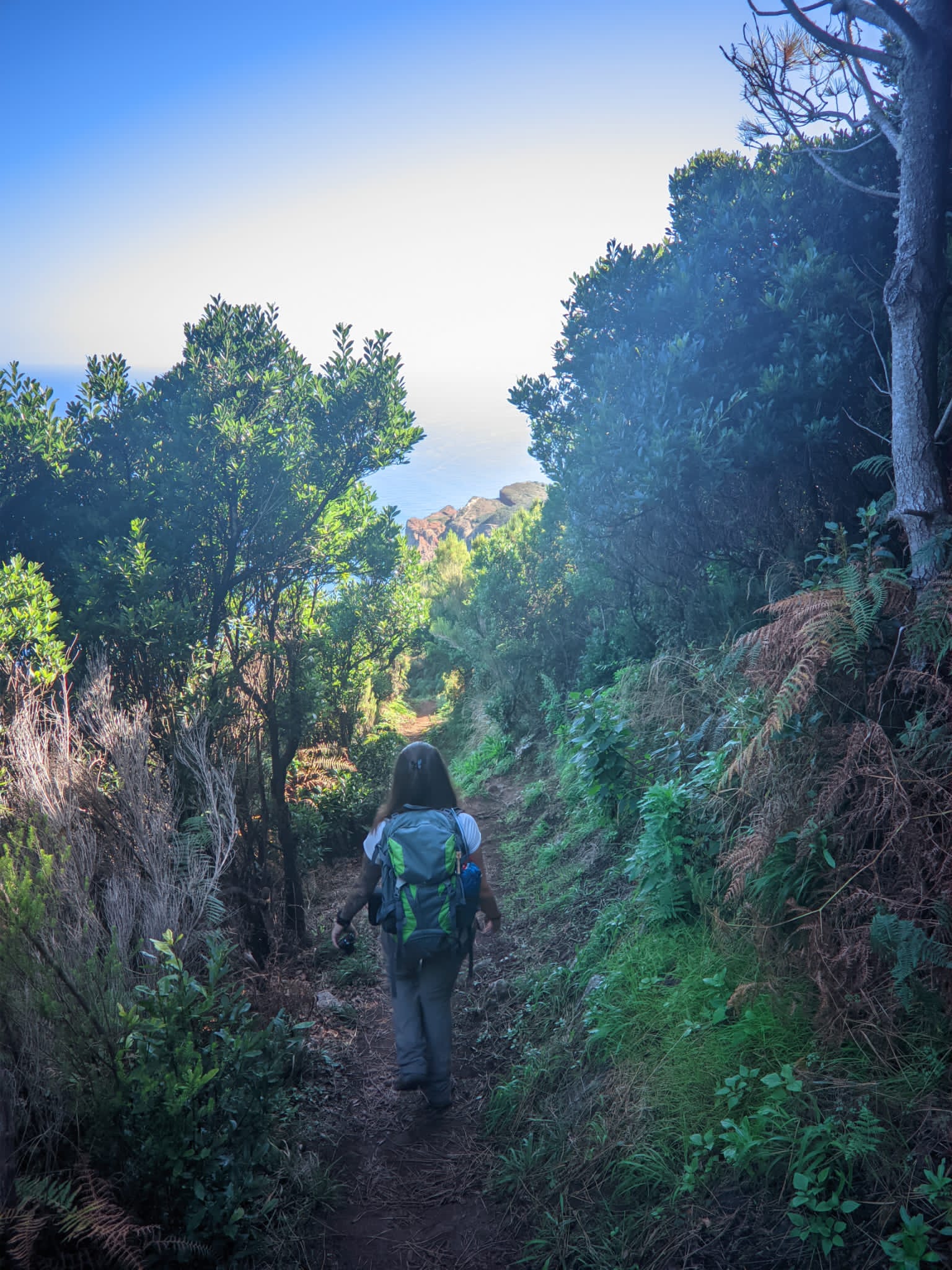
I Wanted to See the World. Then I Learned to See My Own Island.
I grew up surrounded by tourists long before I ever imagined that one day I would make a living showing them my city.
Both of my parents worked in hospitality.
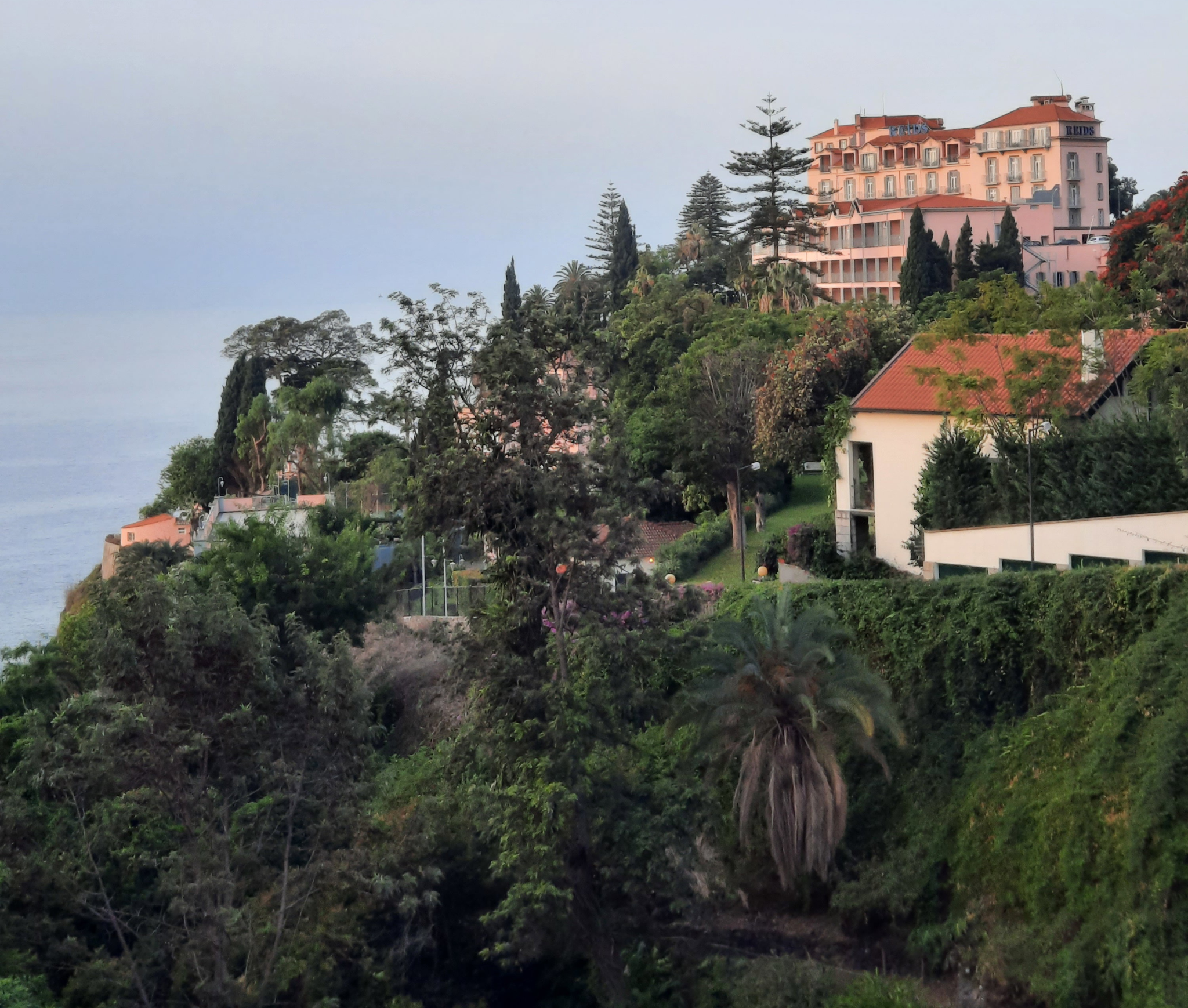
My mother was a pastry chef at Reid's Palace Hotel for 13 years, while my father spent more than 20 years working for the PortoBay hotel group. He started in cleaning services and later became a shuttle bus driver, a job he did for around 15 years.
So, in one way or another, tourism was always present in our family.
As a child and teenager growing up in Funchal, I remember being fascinated by the visitors I saw around the city and the hotels. There was something about the way they dressed for dinner or for the elegant events taking place in the hotels that captured my imagination.
Perhaps, from a child's perspective, they represented a world that seemed much bigger than our little island. Travel. Elegance. Beautiful places. The possibility of seeing the world.
I think there was also a certain aspiration attached to it. Growing up in a working family, travelling abroad wasn't something we ccould do. Seeing those visitors made that world feel both very distant and, somehow, possible.
Years later, I would discover that I didn't need to leave Madeira to meet the world.The world was already coming to us.
Growing up on an island
Madeira is a small archipelago in the Atlantic Ocean, about 600 km off the coast of Morocco.
Volcanic in origin, the island emerged from the ocean around 7 million years ago, with its last volcanic eruption occurring approximately 6,500 years ago.
The result is the dramatic landscape we live with today: deep valleys, mountains rising above the ocean and incredibly lush vegetation.
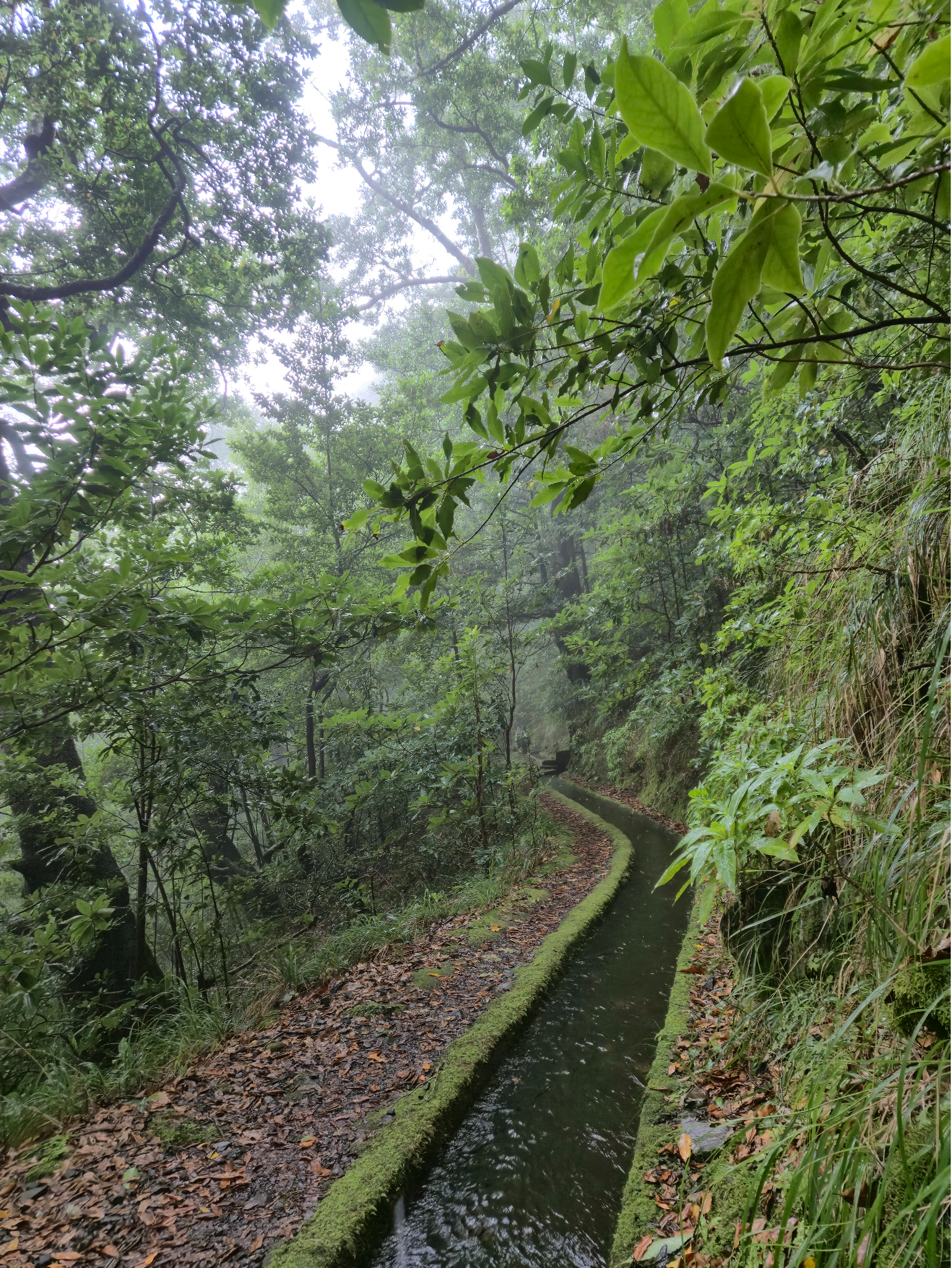
Among Madeira's greatest natural treasures is the Laurissilva, or Laurel Forest. This ancient forest once existed across Southern Europe and North Africa but disappeared from those regions after the last Ice Age, surviving in four Atlantic archipelagos: Madeira, the Canary Islands, Cape Verde and the Azores.
Of these, Madeira has the best-preserved Laurissilva forest.
Growing up surrounded by all of this, I genuinely believed I lived in the most beautiful place in the world.
I've travelled since then and seen some wonderful countries. I still think Madeira is one of the most beautiful places in the world.
I'm probably slightly biased.
Beautiful, but not always easy
Living on a mountainous island hasn't always been as easy as visitors might imagine today.
My father's family comes from Boaventura, a beautiful little village on Madeira's north coast.
Today, I can leave Funchal and reach my grandparents' village in about 50 minutes. For my grandparents, that journey was completely different. They would cross the mountains on foot, following difficult paths through Madeira's rugged landscape. A journey could take most of the day. followed, of course, by another long journey when it was time to come back.
By the time my father was a teenager, there was a bus connecting Funchal to Boaventura. Taking the bus wasn't something the family could always afford, but when they did, the journey could still take five hours.
Five hours!
Today, we complain when there's traffic in Funchal. Times have definitely changed.
But stories like these have always helped me understand Madeira differently.
When I look at our mountains, levadas, old paths and villages, I don't see only beautiful scenery. I think about generations of Madeirans who had to find ways of living, working and moving through an incredibly difficult landscape.
The beauty we enjoy today has a human story behind it.
An island that learned to welcome the world
Visitors have been part of Madeira's story for a very long time.
Tourism began developing during the 19th century, when Madeira became known as a destination for people suffering from certain illnesses, particularly respiratory conditions. The island's mild climate and clean air were believed to help with recovery.
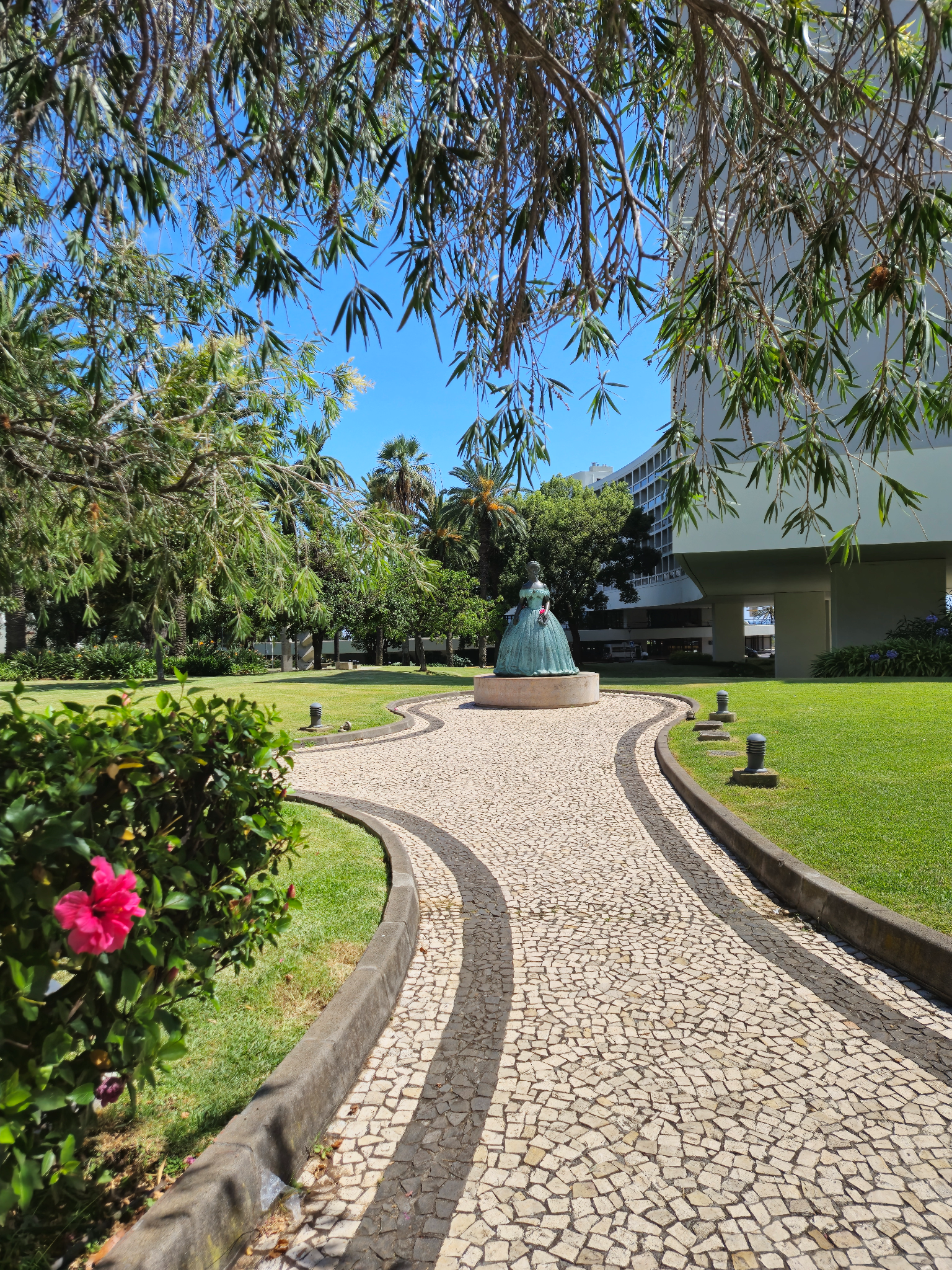
Among those visitors was Empress Elisabeth of Austria, better known as Sissi, who spent time in Madeira for health reasons.
Visitors returned home talking about the island they had discovered, and Madeira's reputation gradually spread.
Tourism continued to grow. Hotels appeared. Ships brought visitors from distant countries. Generations of Madeirans found work welcoming them.
Eventually, that included my own parents. And later, me.
I always wanted to be a guide
By the time I was a teenager, I already knew that I wanted to become a guide.
I wanted to travel around Madeira and show visitors my little piece of heaven.
Getting there wasn't quite as straightforward as teenage Lisa might have imagined.
After finishing school, I worked several different jobs. I worked at a reception desk, then in a shop at Madeira Airport, and eventually spent four years living away from the island.
Being away perhaps made me appreciate home even more.When I returned to Madeira, I finally decided to start working seriously towards the goal I'd had since I was young.I completed a one-year course in Environmental Tourism and later spent several years selling tourism activities. It wasn't guiding yet, but it taught me an enormous amount about tourism and about what visitors were looking for when they came to Madeira.
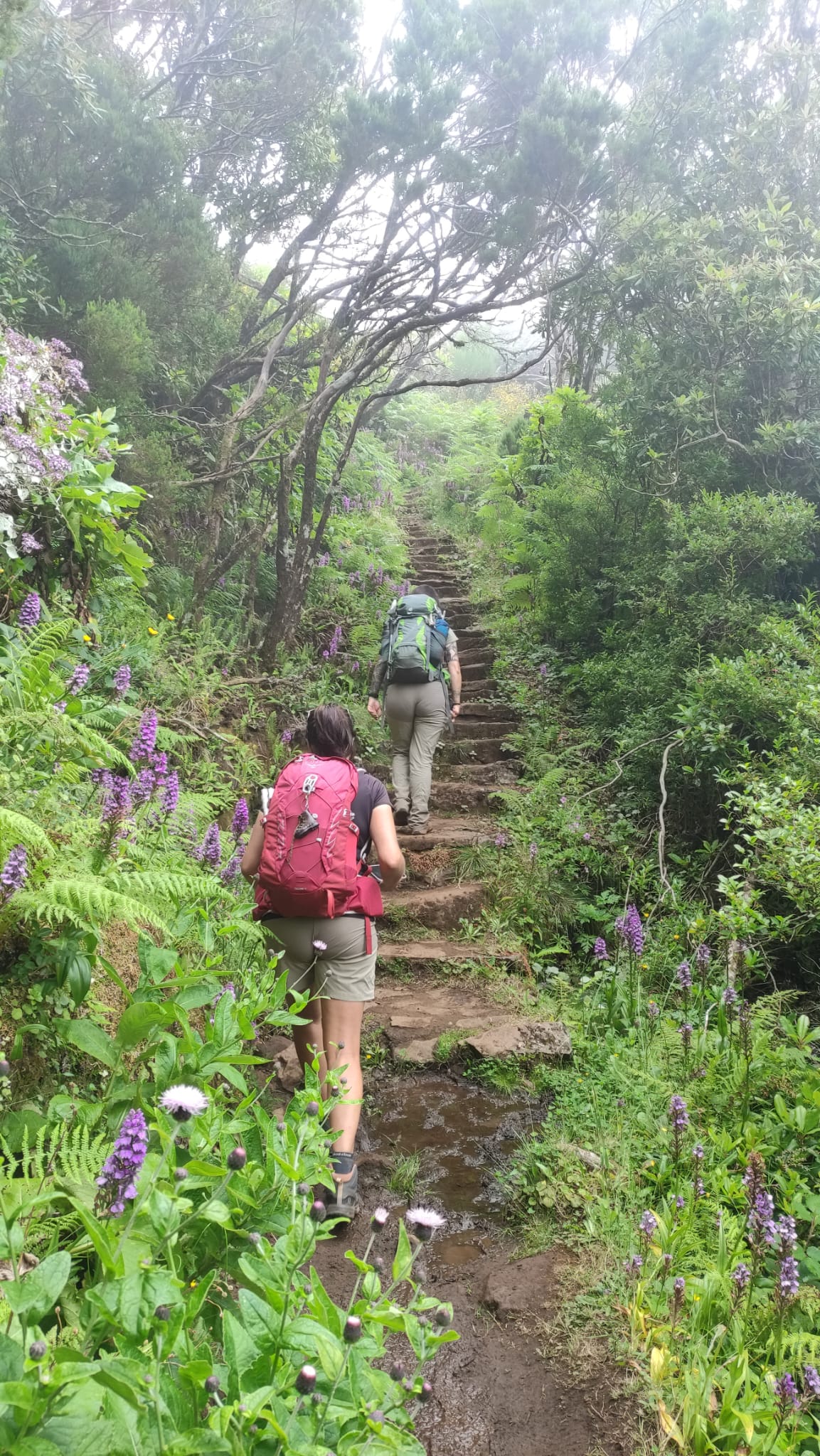
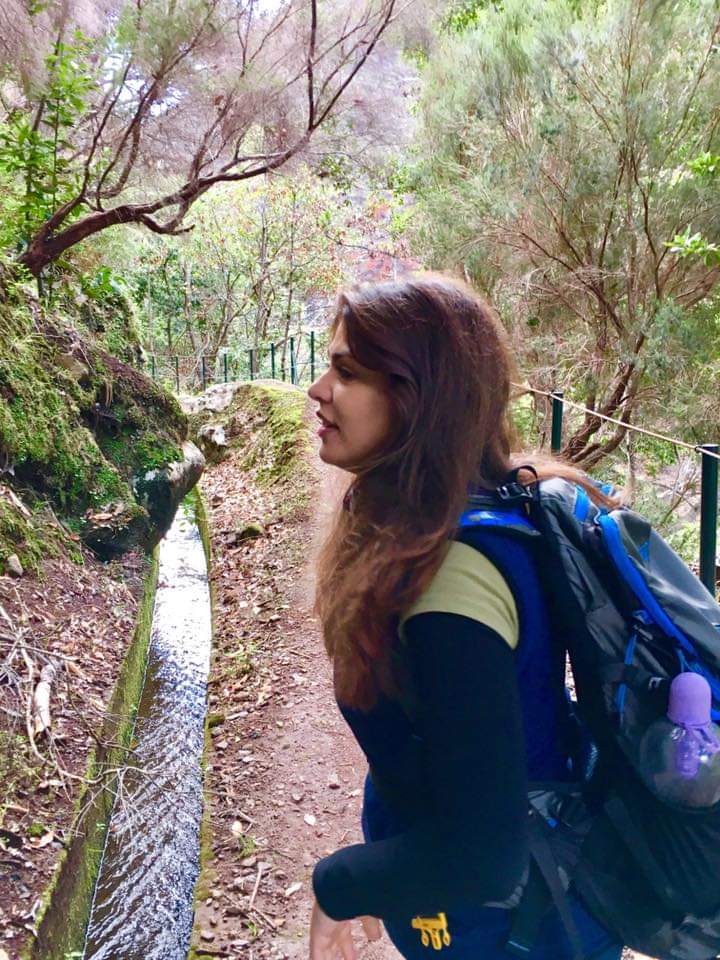
Eventually, I completed my Local Mountain Guide course.
The course wasn't quite as extensive as I had hoped, but it did something very important: It opened doors.
I had barely finished when I started receiving invitations to guide hikes. So I said yes.
From the mountains to the streets of Funchal
I eventually started working with a small Jeep tour company, Hit the road Madeira (not so small anymore), whose approach was completely different from anything I had experienced before.
It changed the way I looked at guiding.
Then something unexpected happened. One day, a couple I was guiding on a hike noticed how much I enjoyed talking about history. They suggested that perhaps I should start doing historical tours in Funchal.
It was such a simple suggestion. But something clicked. So I gave it a try.
For a few years, I combined mountain guiding with historical walking tours in Funchal. Gradually, more and more people started joining the city tours.
Eventually, I put mountain guiding on hold. And since 2018, the streets of the city where I grew up have become my workplace.
Discovering my own city
There's something strange about studying the history of a place you've known all your life.You realise how much you've been walking past without ever really seeing it.
A building that had always just been "that building" suddenly has a story.
A street you've crossed hundreds of times becomes the setting for something that happened centuries ago.
Names you vaguely recognised become real people with ambitions, successes, failures and sometimes wonderfully strange stories.
For almost a decade now, I've spent countless hours reading and researching Funchal's history: its buildings, its people and the events that transformed it. And I'm still learning. In fact, that's one of my favourite things about this job. I don't think I'll ever finish discovering Funchal.
And somehow, it all came full circle
Sometimes I think about those tourists I watched when I was young.
Back then, they represented a world beyond Madeira. People who had travelled, seen different places and somehow ended up on our little island in the Atlantic.
I wanted to see their world. Eventually, I did travel.
But something else happened too.I realised that the place I had grown up in was a world worth discovering in its own right.
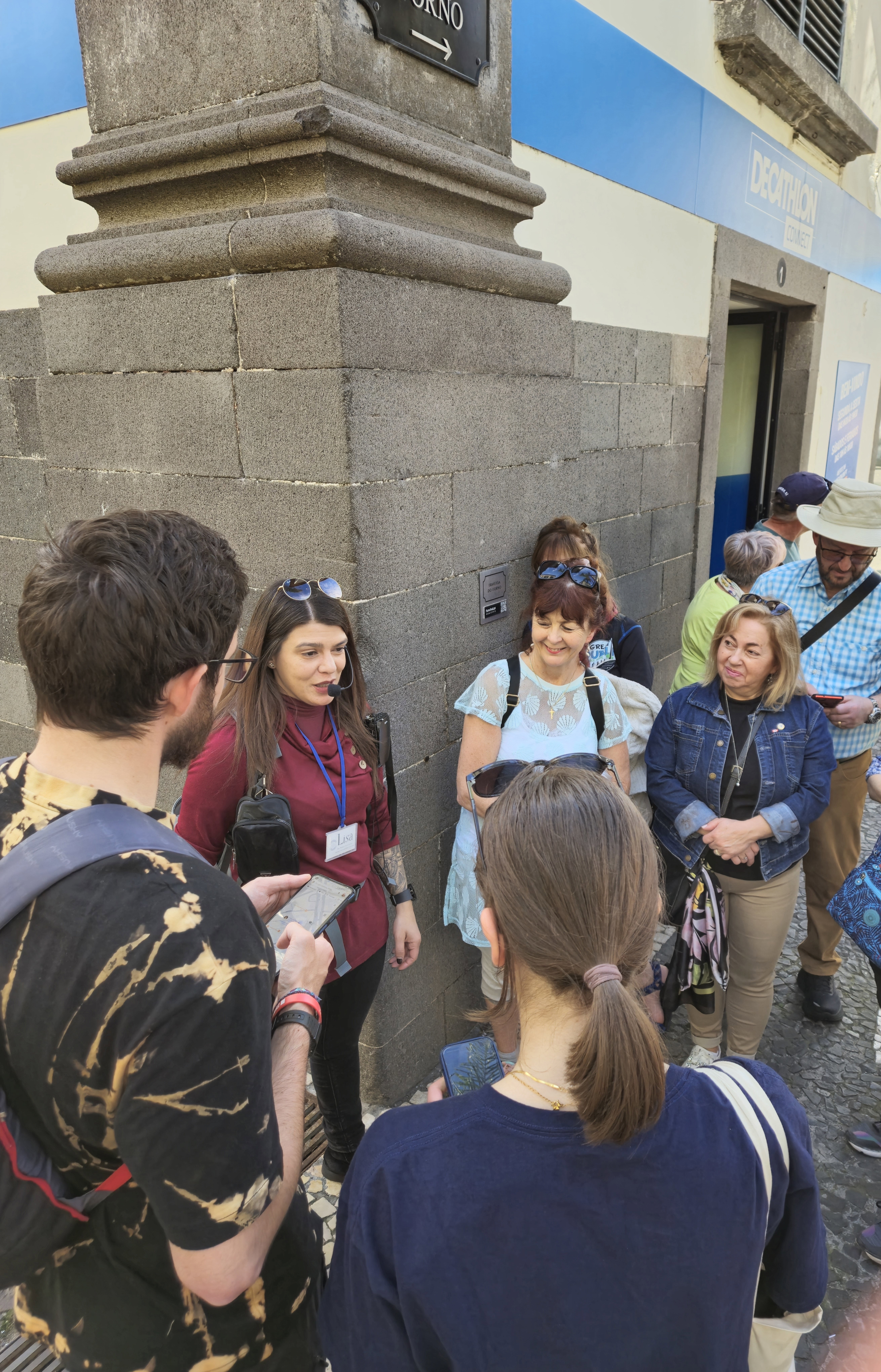
Today, people travel thousands of kilometres and end up standing in front of me in Funchal. They come from countries I've visited and many I haven't. For a couple of hours, we walk together and I get to tell them about the place that shaped me. Not only dates and monuments. I want them to meet some of the people who lived here, understand the events that shaped the city and notice the stories hidden behind buildings they might otherwise walk straight past.
Perhaps that's what teenage Lisa wanted all along. I just didn't know it yet!
Lisa