How to be a responsible Tourist in Madeira - A Local's perspective
How tourism in Madeira has changed
Tourism has been part of Madeira’s history since the 19th century, when the island became a popular health retreat for people suffering from respiratory illnesses, particularly tuberculosis, thanks to its mild climate.
Over the years, Madeira welcomed some rather famous visitors, including Empress Elisabeth of Austria, better known as Sissi. In 1950, Winston Churchill visited the island and famously painted the picturesque fishing village of Câmara de Lobos.
For many decades, Madeira was perceived as a holiday destination mainly for older travellers. Growing up, I remember seeing visitors strolling around Funchal wearing white socks with their sandals. We affectionately called them pés de gesso, which roughly translates to “feet in plaster”!
I remember watching the tour buses taking visitors around our beautiful island and dreaming of becoming one of those guides, showing people our little piece of paradise.
Until relatively recently, it was still quite common to hear people joking that Madeira was a destination for the “newlywed or nearly dead”! Well, things have certainly changed! Over the past few decades, and particularly since the pandemic, tourism in Madeira has undergone a remarkable transformation. Our visitors are no longer predominantly retired couples staying in five-star hotels, enjoying a couple of excursions before spending a relaxing afternoon by the pool or at a local café.
Madeira now attracts younger travellers, hikers, adventure seekers, nature lovers, digital nomads and people from all walks of life. It is wonderful to see so many people discovering a different side of our island. However, this transformation has also brought some challenges that are worth talking about.
Loving Madeira also means protecting it
Madeirans have always been incredibly proud of their island: its natural beauty, its landscapes, its cleanliness and the extraordinary diversity that can be found in such a small place. And we love seeing visitors fall in love with it too.
We understand that travelling involves considerable expense, planning and excitement. You have probably spent months looking at photos, watching videos and saving places you dream of visiting. Naturally, you want to make the most of your holiday.
However, not everything you see on social media is necessarily safe, permitted or respectful of the place you are visiting.
Seeing people venture onto closed hiking trails, enter private properties or ignore safety barriers has unfortunately become increasingly common. There is even a trend of taking photos under a waterfall, using a banana leaf to cover an otherwise naked body. What many people may not realise is that those banana leaves are sometimes taken from privately owned plantations, where farmers work hard to make a living. Removing them can damage the plants, and the waterfall itself is located on a road that has long been closed for safety reasons.
What might seem like a harmless holiday photo can have consequences that are not immediately obvious to the person taking it.
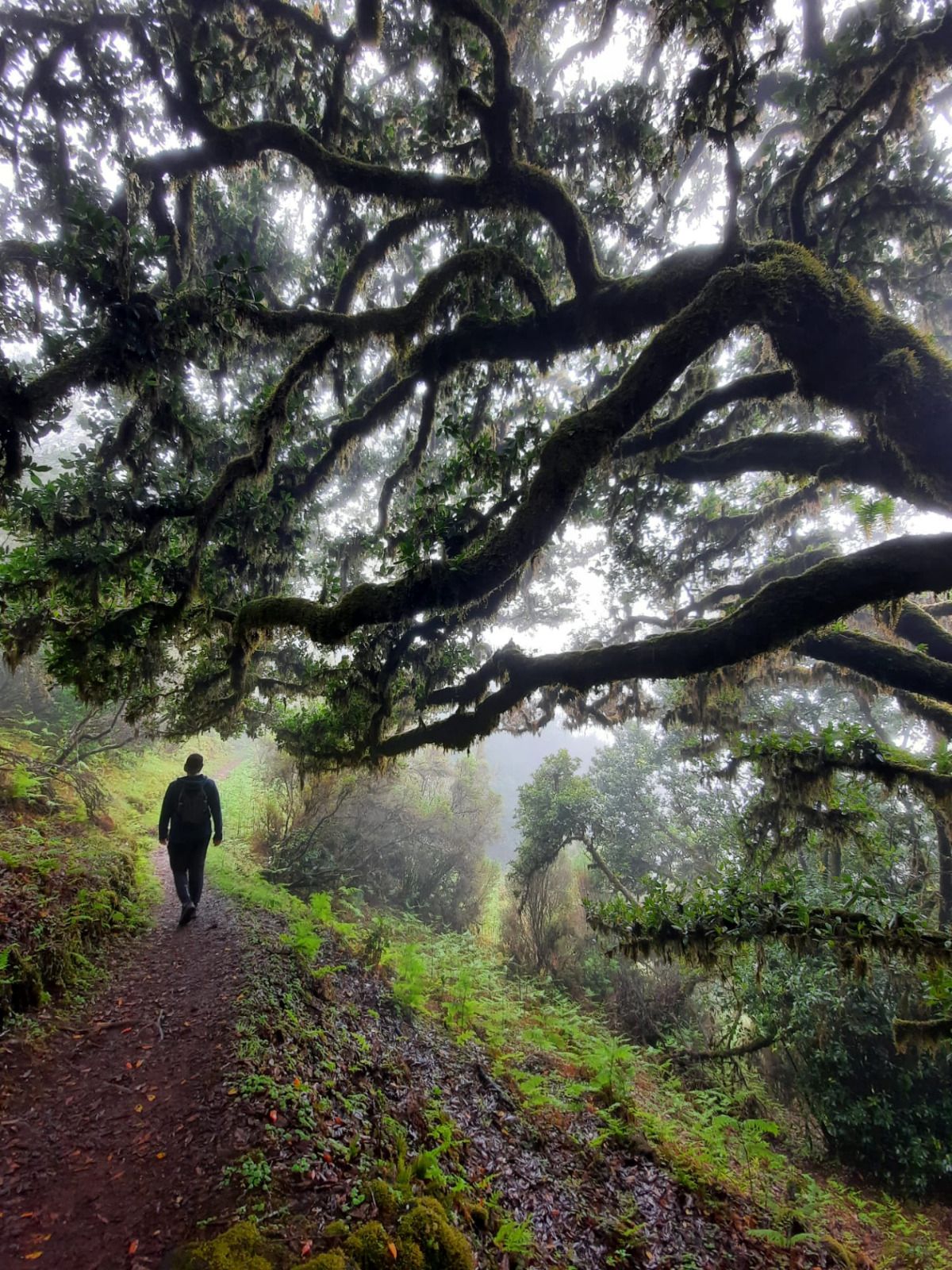
The same applies to Fanal, one of Madeira’s most magical places. Only a few years ago, Fanal felt like a quiet, almost untouched corner of the island. Today, its ancient trees are under so much pressure from visitors that some have had to be protected by fences.
It is heartbreaking to see those fences being damaged simply because someone wants to get closer to a tree or climb it for a photograph.
These magnificent trees have survived for generations. Imagine how many people could enjoy their beauty in the centuries to come if we all treated them with a little more care today. One person climbing a tree might not seem like a big deal. But imagine thousands of people doing exactly the same thing.That is the challenge of tourism: individual actions may seem insignificant, but their collective impact can be enormous.You can still take beautiful photographs, create wonderful memories and experience the magic of Madeira without leaving a negative mark on its landscapes.
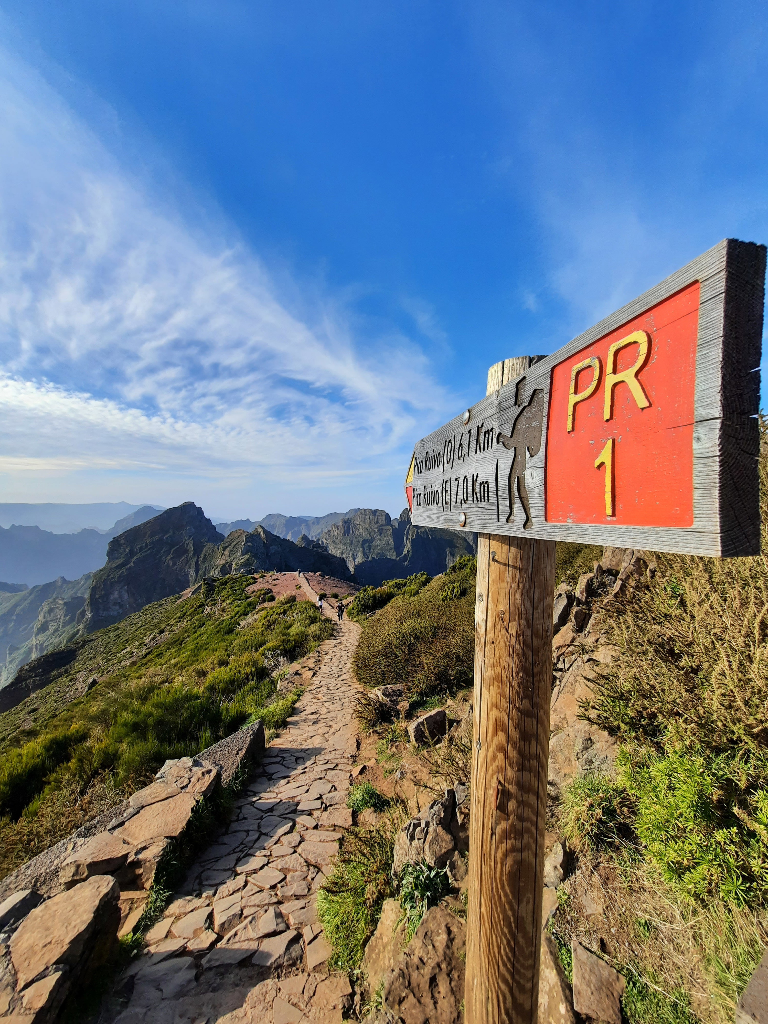
Respecting the hiking trails and local regulations
I will admit that many Madeirans, myself included, have mixed feelings about the new regulations introduced for some of our hiking trails and viewpoints.
Having to book access to places we have enjoyed freely throughout our lives is not something we were particularly excited about. Nevertheless, we understand why these measures are being introduced. They are an attempt to protect our natural heritage, manage visitor numbers and make the experience safer and more enjoyable for everyone.
If you are planning to hike in Madeira, please take the time to check the official guidelines, verify whether your chosen trail is open, make any required reservations and respect your booked date and time.If a trail is closed, there is a reason for it.
Madeira has so many beautiful places to explore that missing out on one particular hike does not have to spoil your holiday. Sometimes, discovering somewhere you had not originally planned to visit can turn into one of your favourite travel memories.
Understanding the local cost of living
This is perhaps a more sensitive subject, but one that I believe deserves a little more attention.
In February 2021, Madeira launched its Digital Nomad Village in Ponta do Sol, attracting remote workers from around the world. In recent years, the island has also become an increasingly popular place for international residents to settle. This has brought new opportunities, businesses and cultural exchanges, but it has also coincided with growing pressure on housing and the local cost of living.
Between 2019 and 2025, the median price per square metre of homes sold in Madeira more than doubled. Meanwhile, groceries, housing and everyday expenses have become increasingly difficult for many local families to afford.
The regional minimum wage in 2026 is €980 per month before deductions. Many Madeirans struggle to make their salaries stretch far enough to cover rent or mortgage payments, groceries, electricity, water and other basic expenses.
Financial hardship is no longer something that affects only the most vulnerable members of our society. Even some working families who would traditionally have considered themselves middle class are finding it increasingly difficult to make ends meet.
This is why hearing visitors repeatedly comment on how “cheap” everything is can sometimes be quite painful for locals. Of course, we understand that affordability is relative. If you come from a country where salaries and living costs are considerably higher, Madeira may genuinely seem inexpensive to you.There is absolutely nothing wrong with appreciating good value for money. But there is a subtle difference between saying that something is cheap and appreciating that it offers good value.
What feels inexpensive to you may be something that a local person has to think twice about purchasing.
This is not about making visitors feel guilty for having greater purchasing power. It is simply an invitation to understand the reality of the people who call this island home.
Support the people who make your holiday special
One of the most meaningful ways to be a responsible tourist in Madeira is to support the local community.
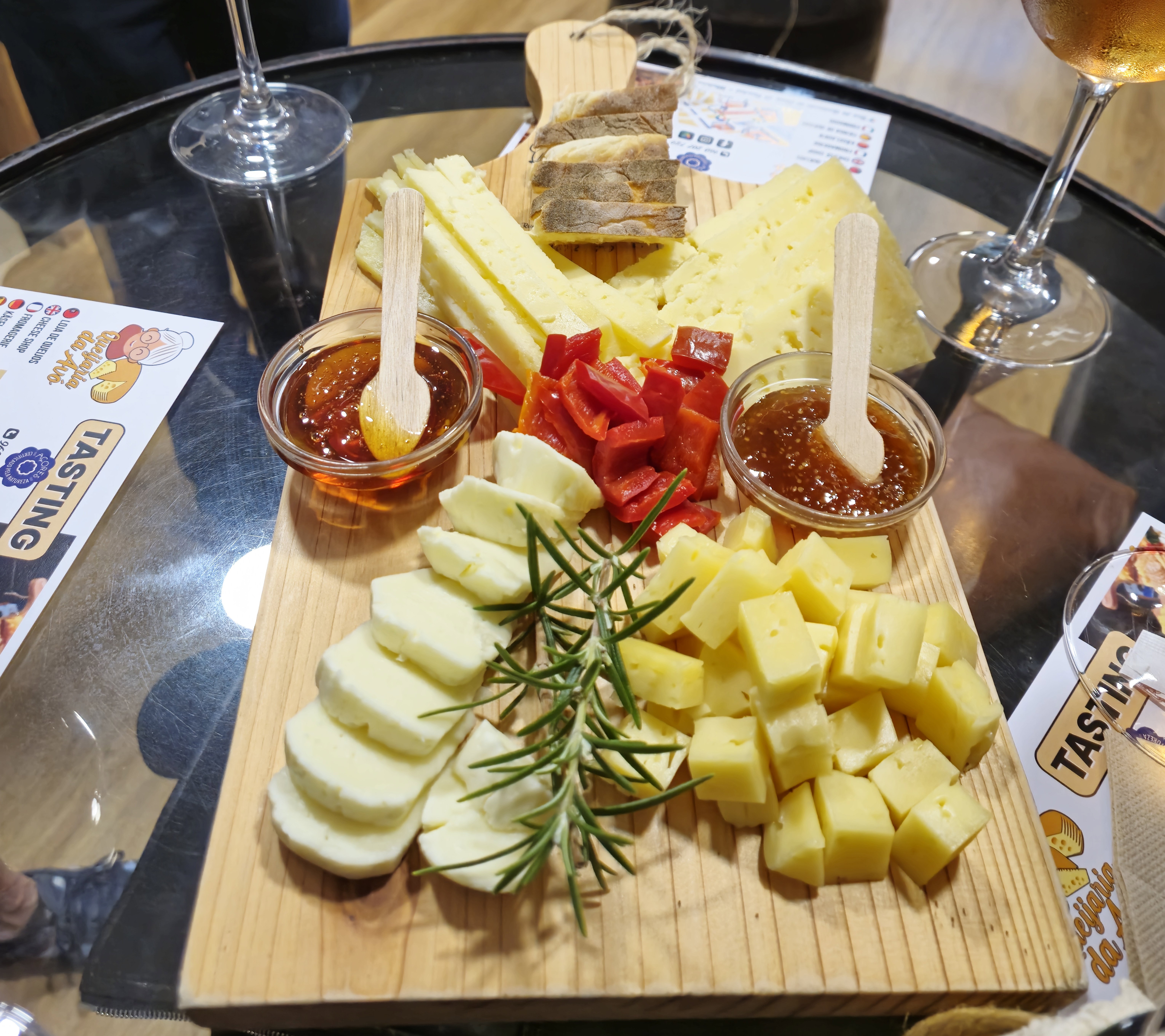
Eat at family-run restaurants, visit local bakeries, buy locally produced goods, discover our traditional crafts and consider booking experiences with local guides and businesses.These choices help ensure that the benefits of tourism reach the people who live and work here.
Tipping in Madeira is not mandatory, and nobody should feel obliged to leave a tip. However, if you have enjoyed a meal, a guided tour or received particularly good service, a tip is always appreciated.
Considering the relatively low wages earned by many people working in hospitality and tourism, even a small gesture of appreciation can make a difference.
And kindness does not always have to involve money. A genuine thank you, a smile, a few words in Portuguese or a positive review of a small local business can also mean a great deal.
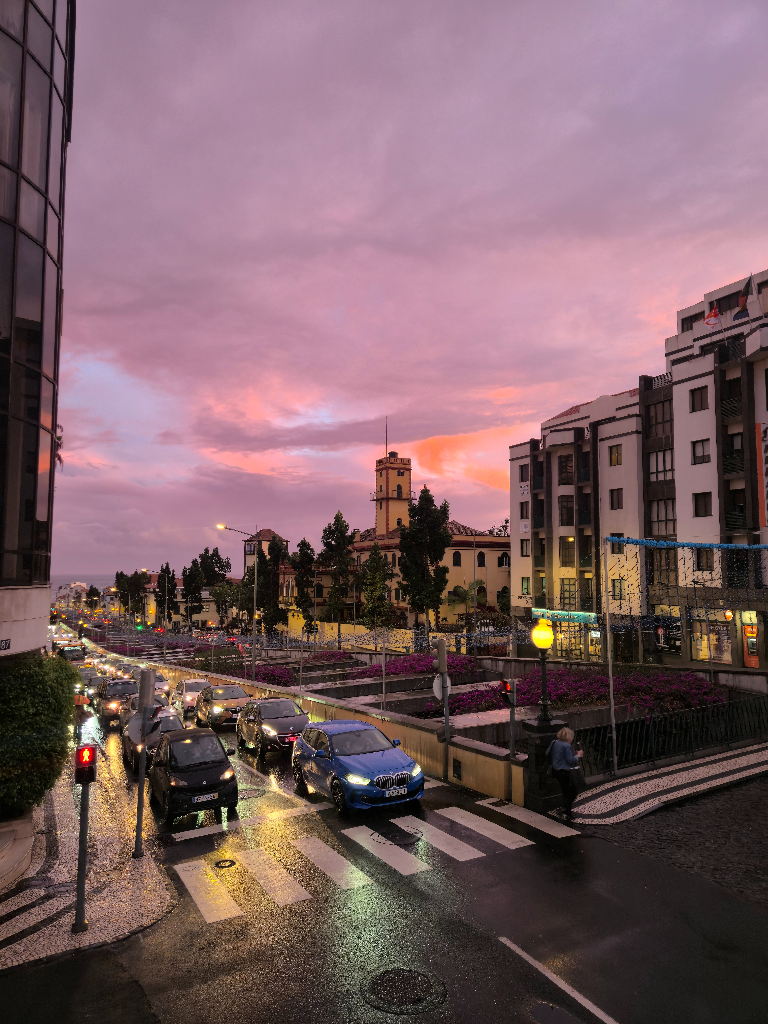
Remember that Funchal is a living city
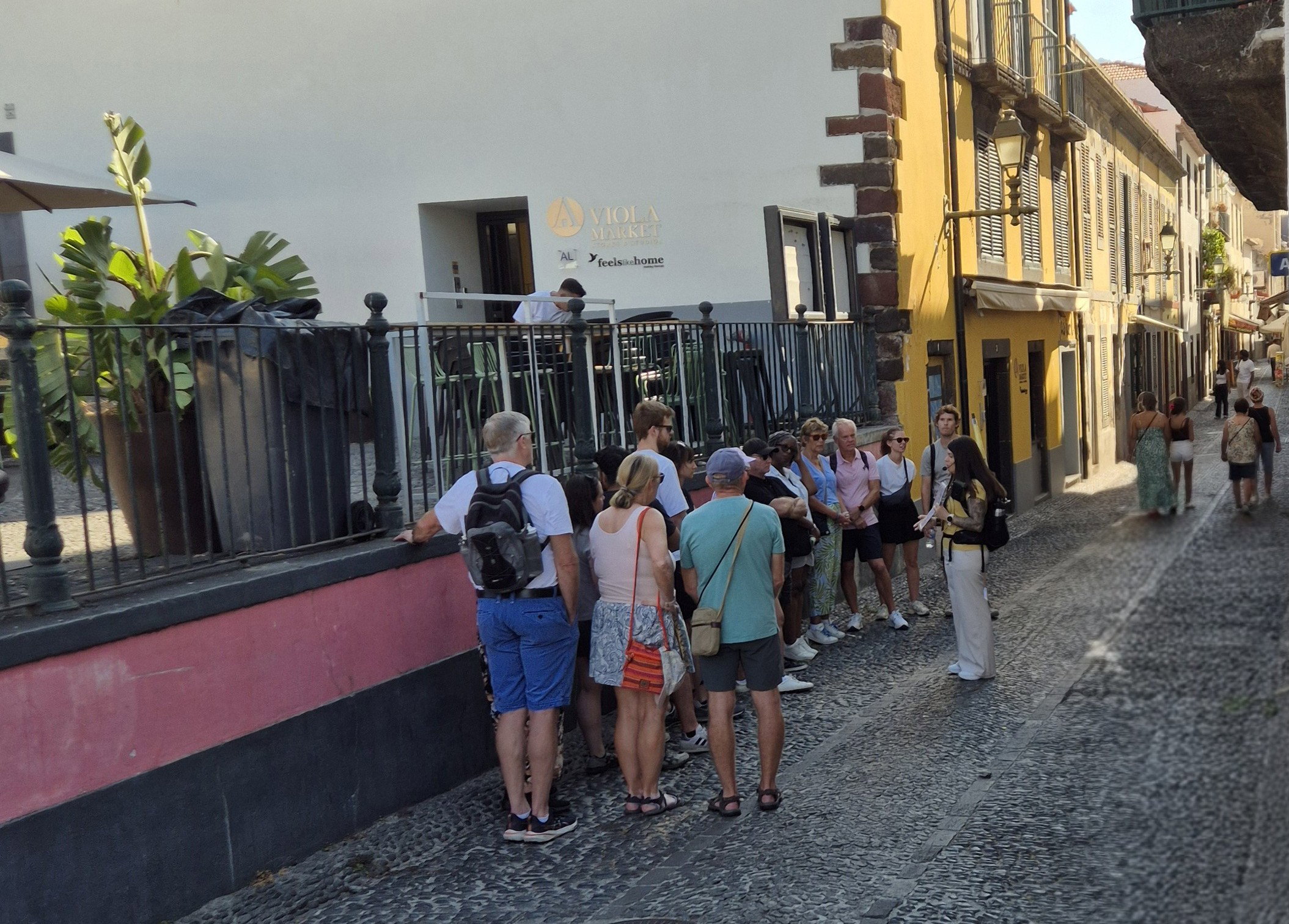
As a local tour guide, one of the things I feel particularly strongly about is trying to minimise the impact of my groups on the daily lives of local residents.
We have probably all experienced something similar in our own hometowns: walking to work, rushing to an appointment, taking children to school or simply running errands, only to find ourselves navigating an obstacle course of people blocking pavements and passageways.When you are on holiday, it is easy to forget that not everyone around you is on holiday too.
While guiding in Funchal, I always try to make sure that my guests leave enough space for pedestrians to walk past us. Sometimes, I find myself waiting through an entire traffic light cycle just to ensure that my group can cross the road safely and without unnecessarily disrupting traffic.
It might seem a little excessive, but these small gestures matter.
Leaving space on pavements, avoiding blocking shop entrances, respecting pedestrian traffic lights and using designated crossings are simple ways of making life more pleasant for everyone.
You do not need to rush through your holiday. Take your time, enjoy your surroundings and allow others the space to go about their day.
A small note about parking in Madeira
Some time ago, a visitor asked me how tourists could tell whether they were parking in a space reserved for residents.
I appreciated the question because it reminded me that something which seems obvious to a local may not be obvious to someone visiting from another country.
In Funchal, you may come across parking spaces marked with an M (meaning Moradores). These are reserved for authorised residents.
Imagine coming home after a long, tiring day at work, only to discover that the parking space you rely on has been occupied by someone visiting your city.
It is a frustrating situation that can easily be avoided. If you are renting a car in Madeira, take a moment to check the parking signs and look for authorised public parking spaces or car parks. If you are unsure, ask someone locally.
A few extra minutes spent finding a suitable parking space can save someone else a great deal of inconvenience.
Be a guest, not just a visitor
Tourism has played an incredibly important role in Madeira’s history and economy. For many of us, myself included, it is not just a source of income but something we are genuinely passionate about.
I grew up dreaming of showing visitors my island, and I still feel privileged to be able to do so.I love seeing people discover our landscapes, taste our food, learn about our traditions and fall in love with the place I am fortunate enough to call home.
Responsible tourism is not about enjoying your holiday any less. It is about enjoying it in a way that allows others to continue enjoying their home.
It is about recognising that behind every beautiful landscape, every picturesque street and every charming little village, there is a community of people with their own routines, struggles, traditions and dreams.
Madeira is not a theme park. Funchal is not an open-air museum. Our forests are not photography studios. They are living places.
So, whether you are visiting Madeira, mainland Portugal or anywhere else in the world, remember that the destination you have chosen for your holiday is someone else’s home.
Be curious. Be kind. Respect the people, their culture and their surroundings.
Explore with an open mind, enjoy everything our beautiful island has to offer and help us preserve the very things that made you want to visit in the first place.
You don’t have to be a perfect tourist to be a responsible one. A little awareness, empathy and consideration can go a surprisingly long way.
Madeira is our home, and we are happy to share it with you. Help us keep it as beautiful for tomorrow’s visitors as it is for you today.
By: Lisa Camacho
November 2026